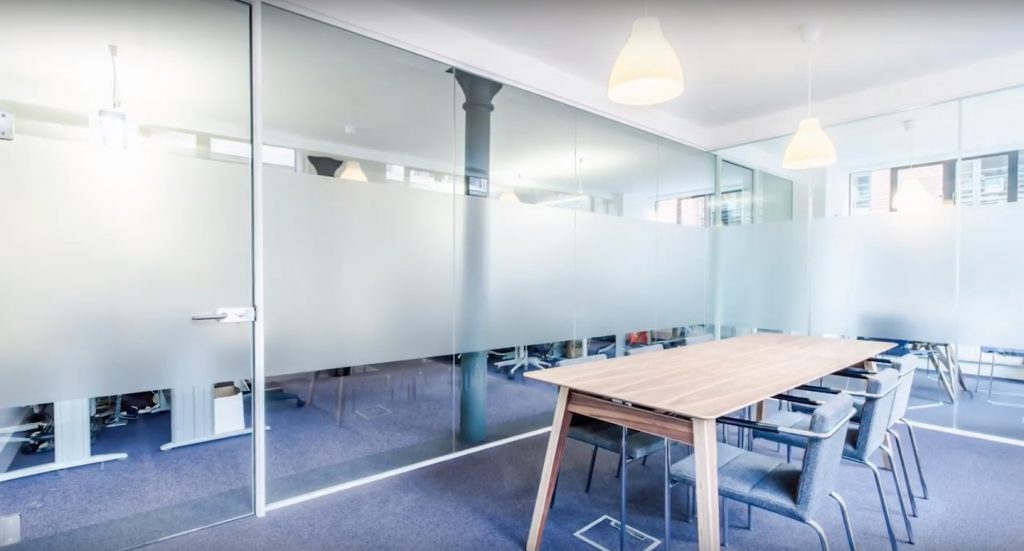
At cghardware.com you will get the best sliding systems kits and sliding doors hardware along with every benefit that you can expect – awesome storage solution, flexible living areas while using them as room dividers, convenient mobility from one room to another, ensuring maximum natural light, aesthetically impressive, increased floor space, and obviously creating an appealing feature in your house! https://cghardware.com/sliding-glass-door-hardware-kit/
You will have a huge range of products that you can choose from. However, you can find it difficult to understand where to start!
This post will help you out with a guide that will help you in choosing from the best sliding systems from cghardware.com. Let’s begin!
Internal or external
If you are looking for an external system, you should make sure that the product you are buying is corrosion and weatherproof system. You should also consider the strength and durability of the product so that it can offer your house security.
How you want it?
If you are going for a good sliding system, make sure that you understand the products and your requirement. There are primarily two types of sliding systems – single sliding doors and bi-parting sliding doors. Make sure you understand how they work and decide which one is best for your home. https://cghardware.com/glass-door-handle/
Decide the track
Based on your house and the entrance you will have to decide how and where you want the track. Commonly, there are two types of positions or styles for the tracks –
1. The track is attached or placed to a wall’s side
2. The track is placed or attached within the opening
Measurement
To choose the best sliding option, you should know the door’s thickness along with opening height and opening width. You can go through the specification tables that are provided with every product to get a better understanding.
The material
The hardware that you pick should be compatible or perfect for the door material. The experts at cghardware.com will help you with the best hardware suitable for different kinds of doors such as metal, wooden or glass doors.
Know the door’s weight
To get the best sliding system, you should have an idea about the door’s weight. If you know how heavy the door is, you can discuss with the experts at cghardware.com for the best options.
Length of the track
There is a general rule – you should have a track that is double in width as compared to the opening. However, if you are going for a sliding system where the track will be within, then you can just opt a track of the same length compared to the opening.
The hardware
Choosing the hardware is crucial because the entire sliding system will depend on it! Make sure that you ask the experts in cghardware.com about the best sliding systems kits and sliding doors hardware options and then with their help choose the best hardware. https://cghardware.com/glass-railing-systems/
Accessories
Now that you have gone through all the important steps, it is time that you spend some time going through the amazing accessories for your sliding door! Whether you need a fitting kit, door sensors, door stops, flush pulls, handles or any other accessory, cghardware.com have the best range available.
Lastly
The experts at cghardware.com are skilled, experienced, and smart enough to understand your requirement and offer you the best choice.